
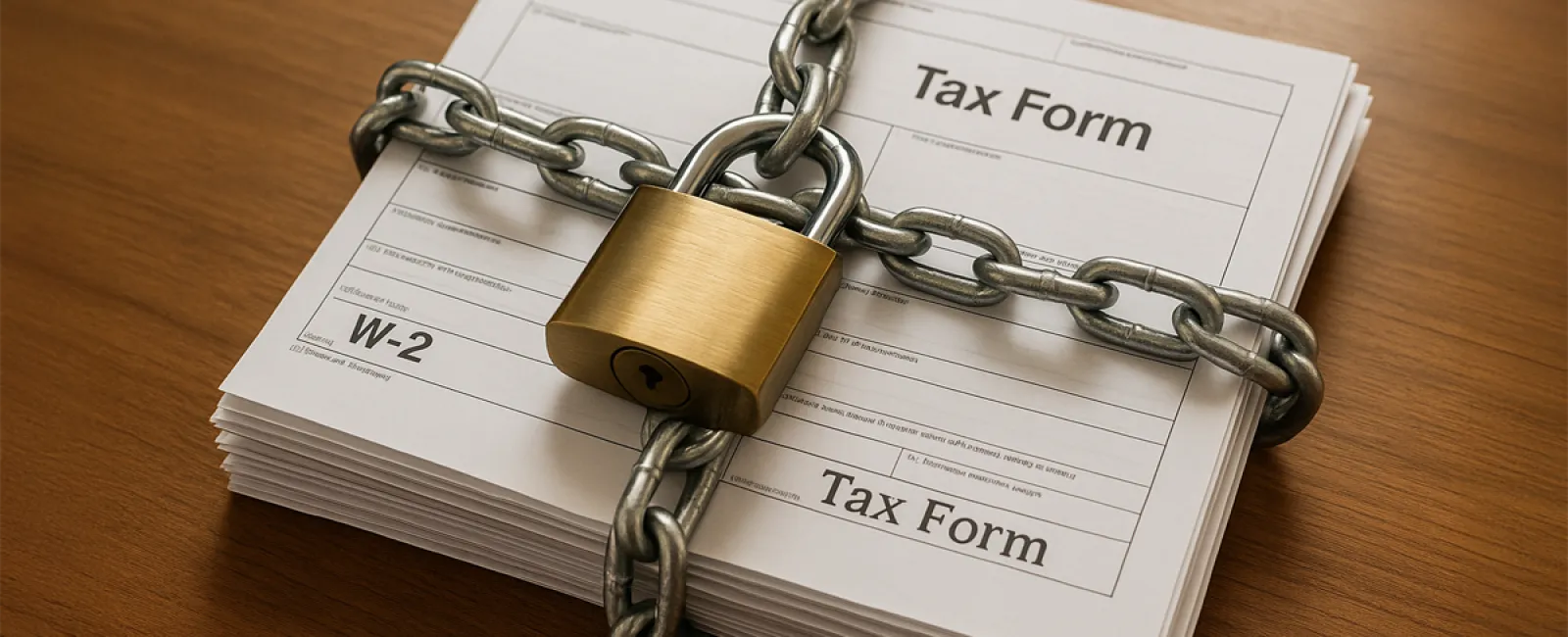
February marks the beginning of tax season, a period when accountants ramp up their work and bookkeepers gather essential documents. W-2s, 1099s, and filing deadlines dominate everyone's thoughts.
Yet, the first major challenge during tax season isn't a complicated form—it's a cunning scam.
This scam often targets small businesses early in the season because it's simple, convincing, and might already be lurking in someone's inbox.
Understanding the W-2 Scam
Here's the typical scenario:
An individual responsible for payroll or HR in your company receives an email that appears to come from the CEO or another top executive.
The email is brief and pressing:
"Can you send me all employee W-2 forms ASAP for an urgent meeting with the accountant? I'm swamped today."
The message seems normal—the tone is appropriate and urgency feels genuine during this hectic season, making the request seem perfectly reasonable.
Consequently, your employee forwards the W-2 forms.
But the email wasn't from the CEO. It was a criminal using a spoofed address or a deceptive domain.
Now, the scammer has access to every employee's:
• Full legal name
• Social Security number
• Residential address
• Salary details
All the information needed to commit identity theft and fraudulently file tax returns before your employees even file theirs.
The Consequences Unfold
Victims often discover the scam when:
Their tax returns are rejected with a message stating, "Return already filed for this Social Security number."
This means someone else has already filed using their identity and claimed the refund.
Your employee faces months of frustration with the IRS, credit monitoring, identity theft protection services, and extensive paperwork—all because of a single deceptive email.
Multiply this risk across your entire payroll, and imagine explaining the data breach caused by a fraudulent email to your team.
This isn't just a security lapse—it's a serious breach of trust, creating HR issues, potential legal exposure, and damaging your company's reputation.
Why the W-2 Scam is So Effective
This scam doesn't resemble a typical "Nigerian prince" fake email; it appears authentic on the surface.
Its success lies in:
- Timeliness: Requests for W-2s in February are standard, so nobody doubts the timing.
- Reasonableness: The ask is plausible and aligns with normal tax season document exchanges.
- Urgency: The hurried tone fits a busy office environment, avoiding suspicion.
- Credibility: Cybercriminals research targets meticulously, imitating real executives and trusted accountants.
- Employee eagerness: Staff are inclined to assist leadership rapidly, often bypassing verification.
Proactive Defense Measures to Implement Now
The encouraging news: You can prevent this scam by combining clear policies with a culture of vigilance—not just relying on technology.
Enforce a strict "No W-2s via Email" policy. No exceptions. Sensitive payroll documents should never be transmitted as email attachments. If requested via email—even by someone appearing to be a top executive—the answer is firmly no.
Confirm all sensitive requests through a second communication channel. Use phone calls, in-person conversations, or secure chat platforms. Always verify using trusted contact details you already have—not numbers provided in suspicious emails. This quick step prevents months of recovery work.
Hold a brief tax scam awareness meeting now. Don't wait until later—educate your payroll and HR team about the rising threat and proper protocols immediately. Knowledge is your best defense.
Secure payroll and HR systems with multi-factor authentication (MFA). MFA adds a vital security layer, blocking unauthorized access even if credentials are compromised.
Encourage a culture of verification. Employees who double-check doubtful requests should be commended for protecting the company—not criticized. When verification is rewarded, scams struggle to succeed.
These five straightforward steps can be implemented this week and are powerful enough to halt scams at the start.
Looking Beyond the W-2 Scam
The W-2 scam is merely the initial wave.
Expect a surge of tax-related cyberattacks before April, such as:
- Fake IRS notices demanding immediate payments
- Phishing emails disguised as updates to tax software
- Spoofed correspondence pretending to be from your accountant containing harmful links
- Fraudulent invoices mimicking legitimate tax expense payments
Cybercriminals exploit tax season because everyone is preoccupied and financial requests seem normal.
Businesses that emerge unscathed from tax season aren't fortunate—they're prepared.
They implement robust policies, conduct training, and utilize systems designed to detect suspicious activities before they escalate.
Is Your Business Prepared to Defend Against These Threats?
If your company already has effective policies and your team understands how to spot scams, you're ahead of many others.
If not, now is the critical moment to act—don't wait until you're a victim.
If this description fits your business situation, schedule a 15-minute Tax Season Security Check with us.
During this session, we'll evaluate:
• Payroll and HR system access controls plus MFA implementation
• Your W-2 handling and verification policies
• Email safeguards against spoofing
• Key policy adjustments commonly overlooked
Even if you're confident, consider sharing this vital information with other business owners who might be vulnerable—it could save them from costly damages.
Click here or give us a call at 832-536-9012 to schedule your free Discovery Call.
Because tax season is stressful enough—don't let identity theft add to the burden.


